
The south London suburb of Bromley is blue on the electoral map but many residents are getting red in the face about the council’s vandalism on road safety. It illuminates wider populist and binary battles that pit drivers against pedestrians.
Bromley’s transport supremo, Councillor Nick Bennett is driving an unpopular purge of speed humps. The former Tory MP, minister, and great grandson of Tom Mann, a legendary founder of the Communist Party, is also my local councillor in the West Wickham ward that contains the road. Full disclosure: I was a Labour candidate against him 20 years ago.
The council formally surveyed residents about the proposal to remove the humps on Hawes Lane, one of Bromley’s longest residential roads. But Bennett seems to share his relative’s revolutionist tactics. Most participants opposed Bennett’s plan but he added the minority of supporters to those who didn’t reply to manufacture a majority for his plan. It was an odd form of electoral telepathy but Bennett is retiring next year.
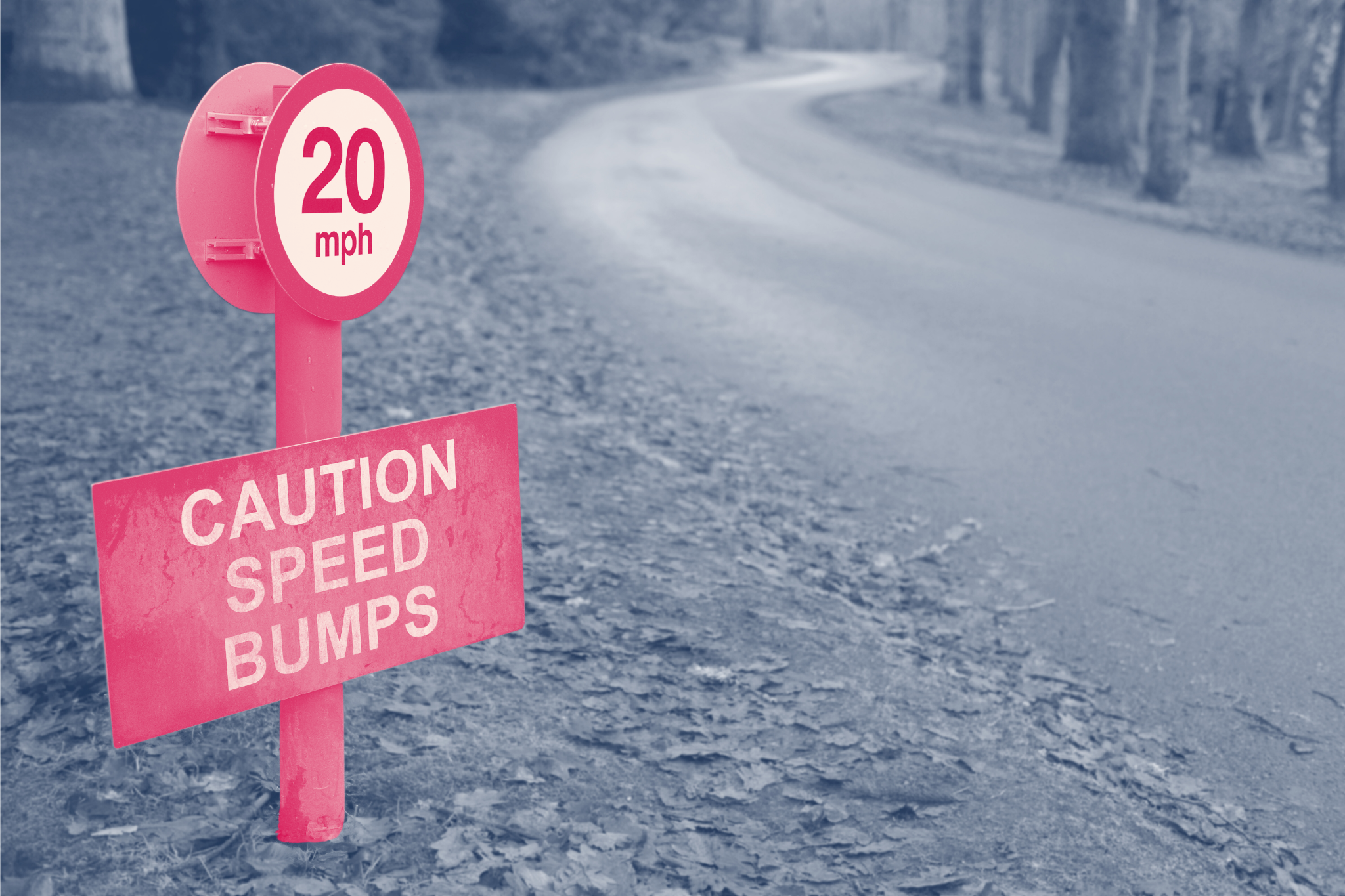
The relatively gentle humps on Hawes Lane were put in decades back following accidents and have slowed most cars in the three decades I have lived there. Suddenly, speeding increased and the road has become a rat-run avoiding several sets of traffic lights. The road is crossed by pedestrians using alleyways to reach the high street and used by pupils going to three schools – the council has only just put up one school warning sign under our pressure.
I formed a campaign group called Hawes Lane united to maximise pedestrian safety – HUMPS, of course. Our petition quickly garnered over 600 signatures in a ward of 12,000 voters and that reflects widespread opposition from supporters of all parties and none. We advocate a 20mph limit, maybe only during school hours, vehicle-activated speed signs, and reinstating the humps. The local Labour MP, Liam Conlon has been helpful to his constituents.
Bennett repeatedly denies the “assertions” of those who actually live on the road that there has been an increase in speeding. My part of the road is now a smooth and straight run without even a white line and often with few parked cars that can deter speeders. The popular leisure centre on the road has been demolished and won’t reopen for three years which means fewer parked cars in the meantime.
Bennett claims he has monitored the road by driving along it without even realising that this itself impedes speeding. Out of the blue, a marked police van and several officers camped on the road for half an hour to catch speeders. None was spotted which is unsurprising given the police were visible far away. Yet Bennett is using this as evidence of there being nothing to see.
Meanwhile cars regularly speed when there is no police presence and, as a member of the neighbourhood safety panel that regularly meets the police, I understand the resource pressures they are under.
I invited Bennett for a cuppa at my house to see what residents witness daily but he has spurned the offer. And nor did he take up my suggestion of inviting the crime-busting shadow cabinet minister, Robert Jenrick to visit the road.
Bennett’s original motivation was saving money. Replacing the dozen humps after the road was resurfaced would have cost £2,000 each or just £24,000 and their lifetime is up to 20 years. The cost to the public purse and human misery of even one accident would dwarf such miniscule savings. Let’s hope it doesn’t take an accident to reverse the policy.
Bennett has also been clutching at straws to defend his decision through distortion, denial, and misdirection. He started by gerrymandering the consultation, claimed it was about money, then inconvenience to emergency vehicles, and then vibration risks to houses. The savings are small, ambulances may be needed more on faster roads, and no resident mentions bad vibrations.
This may be a suburban skirmish against one man’s laissez-faire approach to road safety or highlight a wider Conservative fixation that is oddly unconservative and recklessly radical rather than pragmatic in managing the interface between drivers and pedestrians.
Many of us are both. The humps we want back are not ideal but deter selfish drivers seeking to shave seconds off their journeys. In the longer-term, we need innovative ways of managing residential roads. In the meantime, depriving us of any protections is the height of irresponsibility.
The former Congressional Speaker, Tip O’Neill famously said that all politics is local. Nick Bennett should recall another American motto, which I paraphrase, that it’s the (road) safety, stupid.
The wider picture is that about 30,000 people are killed or seriously injured on our roads every year. The government is preparing a road safety strategy for the first time in a decade. The hope of many residents is for more subtle measures to mitigate speeding.